
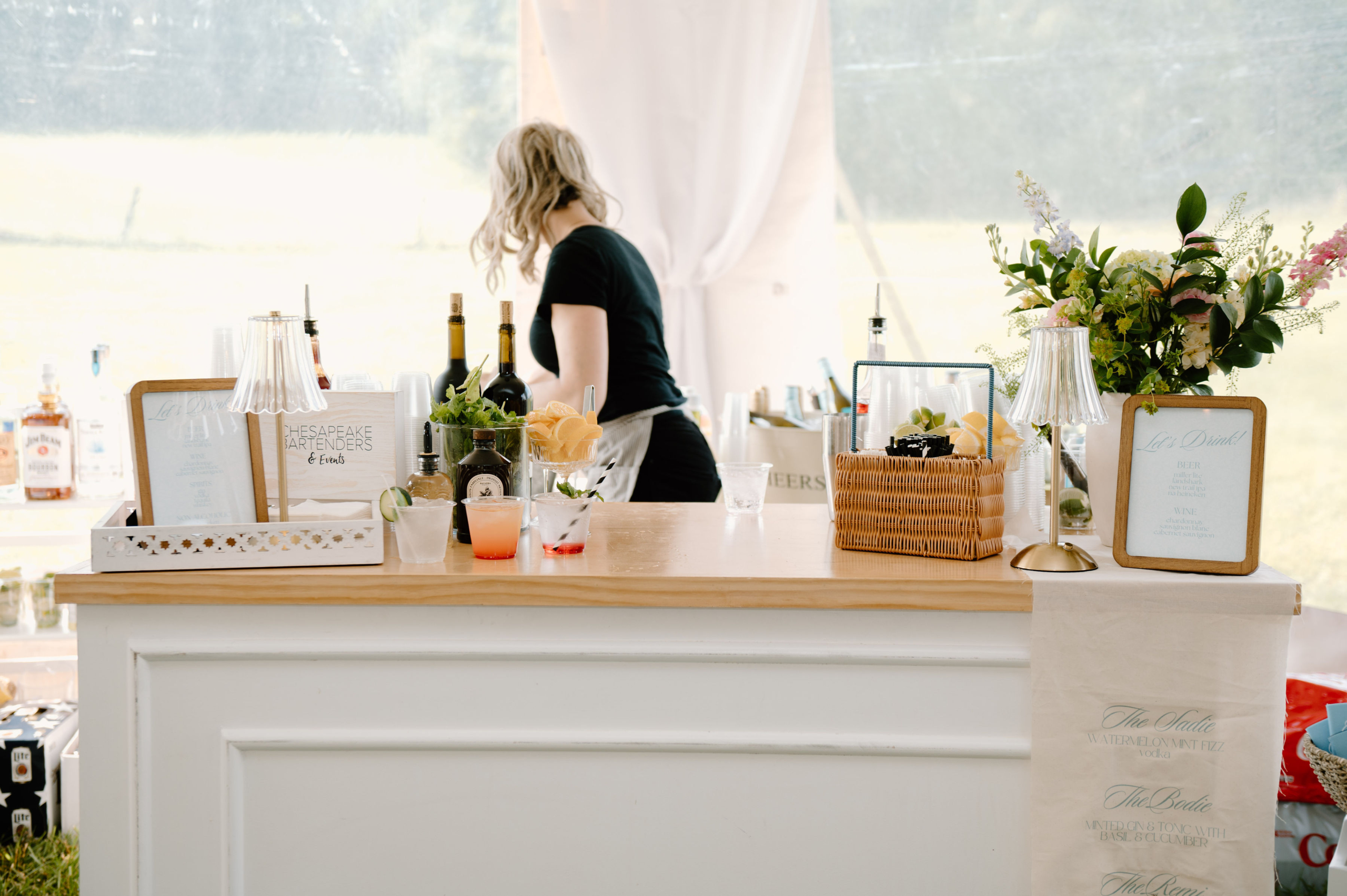
A Chesapeake Bartenders & Events Guide
Your Grandparents had victory gardens. Gen Z has Cocktail Gardens curated to grow their own fresh wedding ingredients.
Grow your own bar ingredients. Save money. Survive wedding planning season with your sanity intact.
As we return to granny hobbies, creative couples are planting cocktail gardens. Here is how to plant yours just in time for summer and fall nuptials.
What is a wedding cocktail garden?
A wedding cocktail garden is a small intentional garden you plant in the months before your wedding to grow fresh ingredients for your bar. Herbs like mint, lavender, and rosemary for signature drink syrups. Edible flowers like marigolds, pansies, and roses for garnishes. Berries and jalapeños for muddled cocktails and mocktails. Ingredients that would cost a fortune at a florist or grocery store but cost almost nothing when you grow them yourself.
You do not need a yard, a green thumb, or a lot of time. A few containers on a porch, a raised bed, or even an AeroGarden on your kitchen counter will do it.
How to use this guide: Find your state in the table below to get your last frost date and planting windows. Then use the quick reference table to see when to start each plant type. If you are short on time, just grow mint. One plant costs $4, produces all season, and elevates every drink on your bar.
Jump to a section
What to plantPlanting referenceAll 50 statesRaised beds and containersHarvest and useNext steps
What to grow
What to plant for your wedding bar
Herbs
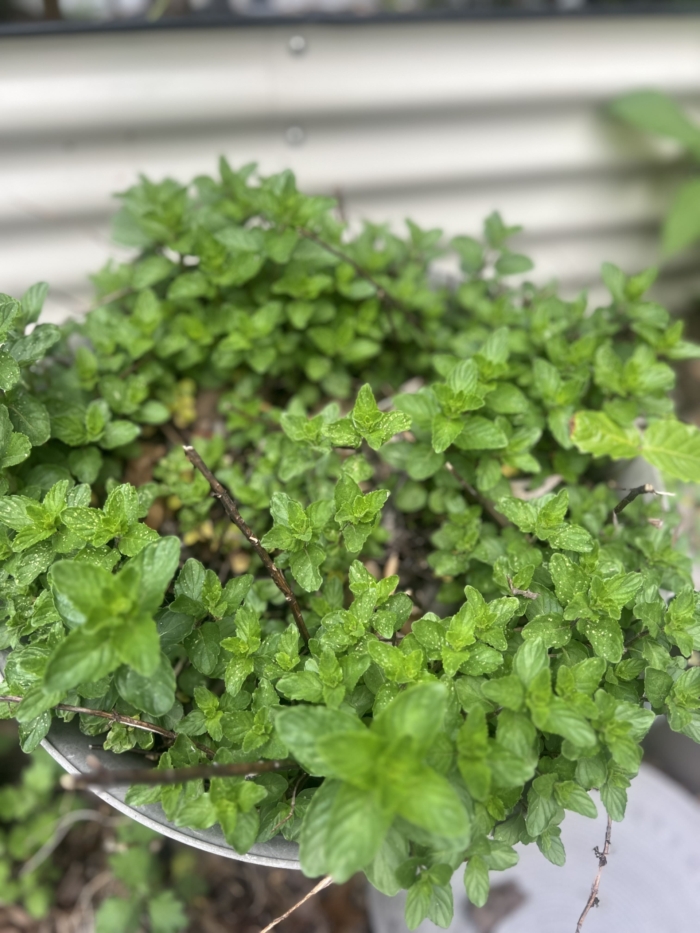
Mint is the single most useful cocktail garden plant. Keep it in its own container or it will take over a bed. One plant gives you an entire season of mint for about $4 at any nursery. Peppermint and spearmint are both beautiful and both work in cocktails.
Culinary lavender makes a beautiful simple syrup for cocktails and lemonades. Hidcote and Munstead varieties are the most culinary-friendly. Peak bloom is May through July in most of the country.
Rosemary pairs wonderfully with gin, citrus, and honey. A rosemary sprig as a cocktail garnish is elegant and unusual. Nearly impossible to kill, which is a plus if you are new to gardening.
Thyme and Sage grow easily in containers or beds. Thyme pairs beautifully with lemon. Sage leaves lightly fried in butter make a stunning savory garnish on a smoked cocktail or fall mocktail.
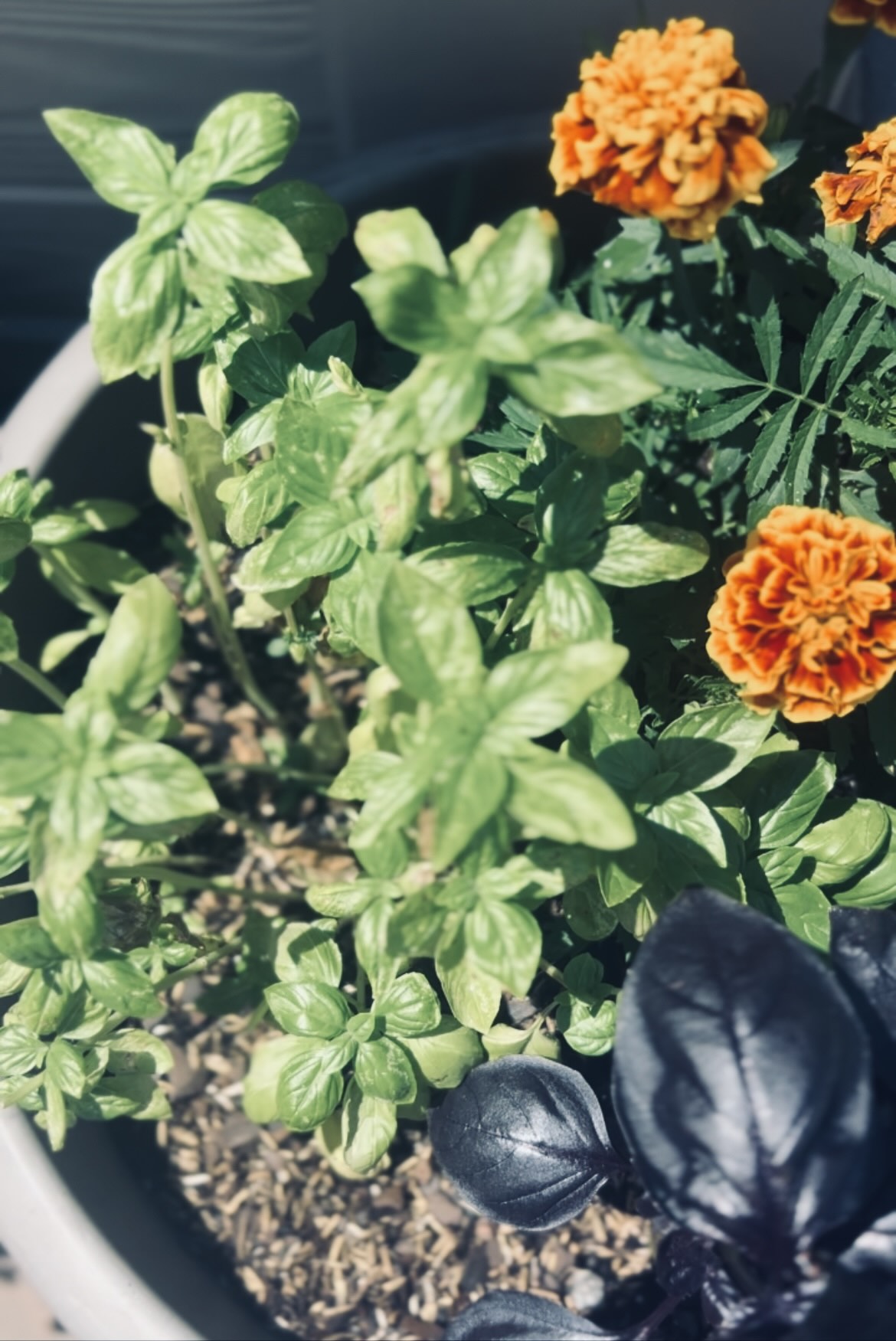
Basil loves heat and sun and grows quickly from late spring through summer. It works beautifully in strawberry cocktails, watermelon mocktails, and as a garnish with any fresh berry drink.
Fruits, berries, and edible flowers
Strawberries grow beautifully in raised beds, containers, and hanging planters. Everbearing varieties produce fruit all season rather than all at once, which is ideal for a wedding.
Jalapeños are easy to grow, extremely productive, and add a bar element most couples never think to include. A jalapeño simple syrup or jalapeño-rim margarita is a showstopper.
Marigolds are cheerful, easy to grow, and fully edible. The petals can be scattered across a bar display, used as a garnish in a mocktail, or floated in a punch bowl.
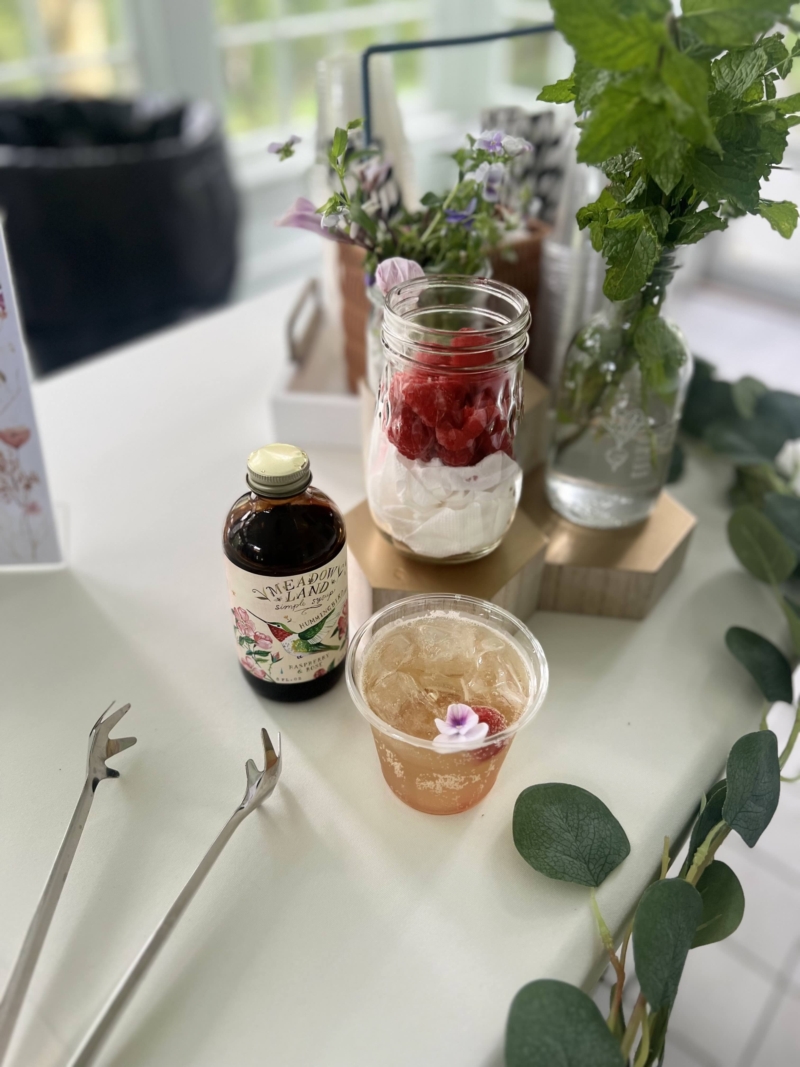
Pansies and violas come in a wide range of colors and look polished as a garnish. They prefer cooler temperatures so they are perfect for spring weddings.
Roses are edible and the petals are gorgeous scattered across a bar display or frozen into ice cubes. Use fragrant varieties and avoid any roses treated with pesticides.
Nasturtiums have a peppery, slightly spicy flavor and come in oranges, reds, and yellows. Easy to grow from seed and bold enough to hold up as a cocktail garnish.
For more ideas on using edible flowers in cocktails and mocktails, see our full guide on edible flowers for wedding bars.
Timing
Quick planting reference by plant type
When to start each plant relative to your last frost date. Find your exact frost dates in the state-by-state table below.
| Plant | Start indoors | Move outside | Harvest window | Bar use |
|---|---|---|---|---|
| Mint | Any time indoors | After last frost | May – Oct | Mojitos, garnish, lemonade |
| Culinary lavender | 8 to 10 weeks before frost | After last frost | May – July (peak) | Simple syrup, garnish |
| Rosemary | 10 to 12 weeks before frost | After last frost | Year round (mild climates) | Infusions, garnish, syrup |
| Basil | 4 to 6 weeks before frost | After last frost and warm | June – Sept | Strawberry cocktails, muddled |
| Thyme and Sage | 6 to 8 weeks before frost | After last frost | April – Nov | Savory garnish, honey syrup |
| Strawberries | 8 to 10 weeks before frost | After last frost | Varies by state | Muddled, garnish, shrub |
| Jalapeños | 8 to 10 weeks before frost | After last frost and warm | July – Oct | Spicy syrup, rim salt, garnish |
| Pansies and violas | 10 to 12 weeks before frost | Before last frost (cold-hardy) | Spring and fall | Edible garnish, ice cube flowers |
| Marigolds | 4 to 6 weeks before frost | After last frost | June – Oct | Petal garnish, infusions |
| Roses | Plant bare root Feb – March | Early spring | May – Oct | Petal garnish, rose syrup |
All 50 States
State-by-state planting and local ingredient guide
Find your state to see your last frost date, planting windows, and which local ingredients will be at peak quality and lowest cost at the time of your wedding.
| State | Last frost | Start indoors | Plant outside | Local star ingredients | Peak harvest |
|---|---|---|---|---|---|
| Alabama Warm | Late Feb – Mar | Jan – Feb | Mar – Apr | Blueberries Muscadine grapes Peaches | Jun – Sept |
| Alaska Cool | Late May – June | Mar – Apr | June | Wild blueberries Fireweed Rosehips | Jul – Aug |
| Arizona Warm | Feb (low) / none (Phoenix) | Jan or direct sow | Feb – Mar (low) / Oct – Feb (desert) | Citrus (lemons, oranges, grapefruit) Prickly pear Pomegranates | Nov – Mar (citrus) |
| Arkansas Warm | Late Mar | Feb | Apr | Strawberries Blackberries Watermelon | Apr – Aug |
| California Warm | Mar – Apr (varies) | Jan – Feb (inland) | Mar – May | Meyer lemons Blood oranges Cherries Wine grapes Figs | Nov – Mar (citrus) / May – Jun (cherries) |
| Colorado Moderate | Mid-May (Denver) | Mar | Mid-May | Western Slope peaches Palisade grapes Lavender (San Luis Valley) | Aug – Sept |
| Connecticut Cool | Mid-Apr | Mar | Mid-May | Blueberries Strawberries Apples Concord grapes | Jun – Oct |
| Delaware Moderate | Mid-Apr | Mar | May | Strawberries Peaches Blueberries Lavender | May – Aug |
| Florida Warm | North FL: Feb / South FL: none | Year round | Year round (South) / Feb – Mar (North) | Citrus (oranges, grapefruit, limes) Plant City strawberries Mangoes Key limes | Nov – Apr (citrus) / Jun – Jul (mango) |
| Georgia Warm | Mid-Mar (Atlanta) / early Mar (South GA) | Jan – Feb | Mar – Apr | Georgia peaches Blueberries Muscadine grapes | May – Jul (peaches) / Aug – Sept (muscadine) |
| Hawaii Warm | None | Year round | Year round | Lilikoi (passion fruit) Pineapple Mango Edible hibiscus | Year round |
| Idaho Moderate | Mid-May (Boise) | Mar | Mid-May | Huckleberries Payette peaches Snake River cherries | Jul – Aug |
| Illinois Moderate | Late Apr | Mar | Mid-May | Strawberries Blueberries Apples Elderberries | Jun – Oct |
| Indiana Moderate | Late Apr | Mar | Mid-May | Strawberries Indiana peaches Watermelon | Jun – Aug |
| Iowa Moderate | Late Apr – early May | Mar | Mid-May | Strawberries Apples Elderberries | Jun – Oct |
| Kansas Moderate | Mid-Apr | Feb – Mar | May | Strawberries Peaches Watermelon | May – Aug |
| Kentucky Moderate | Mid-Apr | Feb – Mar | Late Apr – May | Strawberries Peaches Blackberries Elderberries | May – Oct |
| Louisiana Warm | Mid-Feb | Dec – Jan | Mar | Ponchatoula strawberries Satsumas Mayhaw berries | Feb – Jun |
| Maine Cool | Late May | Apr | Early Jun | Wild blueberries (#1 in US) Cranberries Rhubarb | Aug – Oct |
| Maryland Moderate | Mid-Apr | Feb – Mar | May | Strawberries Peaches Lavender Blackberries | May – Aug |
| Massachusetts Cool | Mid-Apr – early May | Mar | Mid-May | Cranberries (Cape Cod) Blueberries Elderflower | Jun – Oct |
| Michigan Cool | Mid-May | Mar – Apr | Late May | Tart cherries (Traverse City, #1 in US) Blueberries (#1 in US) Elderberries | Jul – Sept |
| Minnesota Cool | Mid-May | Mar – Apr | Late May | Wild blueberries Chokecherries Elderberries | Jun – Oct |
| Mississippi Warm | Mid-Mar | Jan – Feb | Apr | Blueberries Muscadine grapes Watermelon | Apr – Sept |
| Missouri Moderate | Mid-Apr | Feb – Mar | Late Apr – May | Strawberries Peaches Pawpaws Concord grapes | May – Oct |
| Montana Cool | Late May – early Jun | Apr | June | Huckleberries Flathead Lake cherries Raspberries | Jul – Aug |
| Nebraska Moderate | Late Apr – early May | Mar | Mid-May | Strawberries Wild plums Elderberries | Jun – Sept |
| Nevada Warm | Las Vegas: Feb / Reno: late Apr | Dec (LV) / Mar (Reno) | Mar (LV) / May (Reno) | Herbs year round (Las Vegas) Pahrump peaches and grapes | Aug – Sept |
| New Hampshire Cool | Mid-May | Mar – Apr | Late May | Blueberries Strawberries Maple syrup (Feb – Mar) | Jun – Oct |
| New Jersey Moderate | Mid-Apr | Feb – Mar | May | Blueberries (top US producer) Strawberries Cranberries (South NJ) | Jun – Aug |
| New Mexico Moderate | Mid-Apr (Albuquerque) | Feb – Mar | May | Hatch green chile Pomegranates Lavender (Taos area) | Jul – Oct |
| New York Moderate | Mid-Apr (NYC) / later upstate | Feb – Mar | Mid-May | Concord grapes (Finger Lakes) Elderflower and elderberries Apples | Jun – Oct |
| North Carolina Moderate | Mid-Apr (Piedmont) | Feb – Mar | Apr – May | Strawberries Blueberries Muscadine grapes Lavender (Tryon area) | Apr – Sept |
| North Dakota Cool | Mid-May | Mar – Apr | Late May | Chokecherries Juneberries Rhubarb | Jun – Aug |
| Ohio Moderate | Late Apr | Mar | Mid-May | Strawberries Pawpaws Elderberries | Jun – Oct |
| Oklahoma Warm | Late Mar | Feb | Apr | Strawberries Peaches Watermelon Pecans | Apr – Aug |
| Oregon Moderate | Late Mar (Willamette Valley) | Feb | Apr – May | Marionberries (Oregon exclusive) Medford pears Lavender (Hood River) | Jun – Oct |
| Pennsylvania Moderate | Late Apr | Mar | Mid-May | Strawberries Blueberries Peaches Lavender | Jun – Oct |
| Rhode Island Cool | Mid-Apr | Mar | May | Blueberries Strawberries Cranberries | Jun – Oct |
| South Carolina Warm | Mid-Mar | Jan – Feb | Apr | Peaches (#1 east of Mississippi) Strawberries Muscadine grapes | Apr – Aug |
| South Dakota Cool | Mid-May | Mar – Apr | Late May | Chokecherries Juneberries Rhubarb | Jun – Aug |
| Tennessee Moderate | Mid-Apr | Feb – Mar | Late Apr | Strawberries Blackberries Muscadine grapes Pawpaws | May – Sept |
| Texas Warm | Houston: late Jan / Austin: mid-Feb / Dallas: mid-Mar | Nov – Jan (South) / Feb (North) | Feb – Apr (by region) | Texas Hill Country peaches Rio Grande Valley citrus Jalapeños Pecans | May – Jul (peaches) / Nov – Mar (citrus) |
| Utah Moderate | Mid-Apr (SLC) | Feb – Mar | May | Utah cherries (Provo area) Peaches and apricots Lavender | Jun – Sept |
| Vermont Cool | Mid-May | Mar – Apr | Late May | Maple syrup (Feb – Mar) Apples Elderberries | Jun – Oct |
| Virginia Moderate | Mid-Apr | Feb – Mar | May | Strawberries Peaches Apples (Shenandoah Valley) Lavender | May – Oct |
| Washington Moderate | Late Mar (Seattle) | Feb | Apr – May | Cherries (#1 cherry state) Apples (#1 apple state) Lavender (Sequim) | Jul – Oct |
| West Virginia Moderate | Late Apr | Mar | Mid-May | Pawpaws (#1 pawpaw state) Blackberries Ramps (wild, April) | Apr – Oct |
| Wisconsin Cool | Mid-May | Mar – Apr | Late May | Cranberries (#1 cranberry state) Door County cherries Elderberries | Jun – Oct |
| Wyoming Cool | Late May – early Jun | Apr | Jun | Huckleberries Chokecherries Raspberries | Jul – Aug |
Setup
Raised beds, containers, and indoor growing
Outdoor raised beds
A raised bed is the most productive option if you have outdoor space. We love Vego Garden beds for this. Attractive enough to leave on a patio, made from food-safe galvanized steel, and available in sizes that work for a small deck or a large backyard. A 17-inch tall bed means less bending and no digging. Keep mint in its own separate container or it will crowd everything else out.
Container and porch gardens
No yard? No problem. Containers on a deck or porch work beautifully and have a practical bonus: they are off the ground, which means rabbits and deer cannot help themselves to your harvest.
- One large pot (12 to 14 inches minimum) dedicated entirely to mint
- One large pot with lavender in well-draining soil and full sun
- One medium pot with rosemary and thyme together
- One window box or hanging planter with pansies, violas, or nasturtiums
- One pot with a jalapeño or two
- One strawberry planter or hanging basket
Indoor growing with an AeroGarden
No outdoor space at all? An AeroGarden on your kitchen counter grows herbs under a built-in LED grow light with no soil, no drainage, and almost no maintenance. The Harvest model grows six herb pods at once, more than enough for a wedding bar garnish supply.
Harvest
How to harvest and use what you grow
Harvest herbs in the morning when their essential oils are most concentrated. Cut from the top of the plant, not the base, to encourage continued growth all season.
Make simple syrups in batches. One cup of sugar, one cup of water, a handful of your fresh ingredient, simmer for five minutes, strain, and refrigerate. Lasts two to four weeks. Lavender, mint, rosemary, and jalapeño all work beautifully and cost less than $2 a batch.
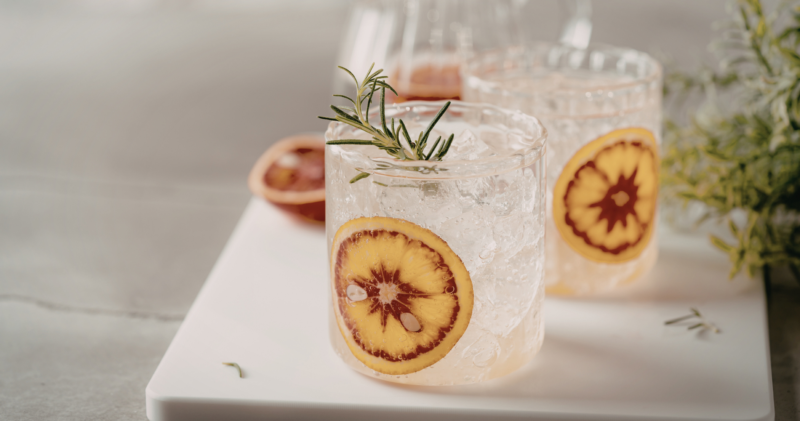
Dry or dehydrate what you cannot use fresh. Dehydrated lavender buds, rose petals, and citrus wheels make stunning garnishes that are shelf stable until your wedding day.
Freeze herbs in ice cubes for a beautiful bar display. Fresh mint leaves or edible flowers frozen into clear ice cubes are one of the easiest and most striking things you can do for a wedding bar. Guests always notice them.
Pro tip: simple syrup formula. One cup sugar plus one cup water plus a handful of your fresh herb. Simmer five minutes, strain, refrigerate up to four weeks. A batch costs less than $2 and captures your garden's flavor for cocktail use all season long.
Next steps
Ready to plan your wedding bar?
For ideas on exactly which edible flowers to grow and how to use them in cocktails and mocktails, our post on edible flowers for wedding bar cocktails is a great place to start.
If you are planning your wedding bar and want a complete system covering quantities, setup, staffing, and a signature drink plan, the DIY Wedding Bar Planning Guide gives you everything you need for $99 with instant access.
If you want to work through your specific bar plan one on one, the Full Custom Wedding Bar Planning Package includes three calls to build your complete signature drink plan from scratch.
Happy planting.
Cheers,
Courtney
Founder, Chesapeake Bartenders and Events