
April 3, 2026 – by Courtney Smith
If you’ve started pricing out your wedding bar and had a minor panic attack, you’re not alone. Wedding bar costs have climbed steadily over the last several years, and in 2026, rising energy prices are accelerating that trend faster than most couples expect.
Here’s what’s actually happening: energy costs affect nearly every line item in your wedding budget — transportation, refrigeration, glassware production, mixer manufacturing, and wholesale distribution. As the global economy continues to fragment into competing supply chains, those costs are being passed downstream. To you. The couple planning a wedding in 2026.
I’m Courtney, owner of Chesapeake Bartenders & Events, a professional mobile bartending company serving Maryland, DC, Delaware, and Virginia. My company has bartended over 150 weddings in the last 5 years, so I’ve seen every attempt couples make to save on their bar…the ones that work, and the ones that quietly backfire.
Here is what actually moves the needle in 2026.
1. The Single Biggest Lever: Reduce Your Guest Count
If there is one thing I want every couple reading this to take away, it’s this: nothing reduces your wedding bar cost more dramatically than reducing your guest count. Nothing.
Food and beverage, including both alcoholic and non-alcoholic are the most elastic costs in your entire wedding budget. Every head you remove from the guest list removes a proportional cost from your bar. Glassware or cups, cocktail napkins, ice, mixers, garnishes, alcohol — all of it scales with headcount.
The CBE Difference
We don’t lock couples into a contract guest count and hold them to it no matter what. When your final headcount drops from 125 to 90, we adjust every flexible line item accordingly. Glassware, ice, garnishes, mixers, alcohol… all scaled down to reflect where you actually landed. That’s an instant cost reduction with zero negotiation required.
At CBE, we don’t lock our couples into a contract number and hold them to it no matter what. When you sign with us, we check in with you throughout the planning process. Once we receive your final guest count, we adjust every per-person line item accordingly. Guest count drops from 125 to 90? That’s an immediate, real reduction in your bar cost. We build that flexibility in intentionally because the planning process is rarely a straight line. Ask your wedding bar team if they can do the same.
This is especially relevant in 2026. If you’re on the fence about trimming your guest list, the math is simple: fewer guests = lower bar cost, lower catering cost, lower rental cost, lower venue cost. It compounds.
2. Stop Treating Your Vendors Like Amazon Prime
One of the least-talked-about ways to save money on your wedding bar is also one of the most actionable: be a proactive client.
We can pass significant cost savings along to couples who plan ahead, and here’s a recent, concrete example. Earlier this year, we waived travel and delivery fees for 2026 wedding couples who paid 50% of their balance early. Why? Because we saw what was happening with oil prices and supply chain disruptions in the Middle East, purchased a large wholesale order of supplies (Tossware, cocktail napkins, straws, and more) at a locked-in cost, and could pass those savings directly to clients who participated.
2026 Cost Watch
Rising energy prices are directly affecting the cost of mixers, glassware production, refrigeration, and wholesale distribution in 2026. Last-minute orders mean retail prices… and retail prices mean your bar bill goes up. Every week of advanced planning has real dollar value right now.
That opportunity only existed because of advance planning. Couples who wait until the last minute — changing their menu, adding guests, requesting specialty items two weeks out, etc., eliminates our ability to buy wholesale. When we’re placing a last-minute order, we’re paying retail. That cost gets passed to you.
How do you avoid this? Fill out the questionnaires your wedding vendors send you. Respond to check-in emails. Communicate. We send planning questionnaires at signing and throughout the process specifically so we can plan well in advance, catch potential cost issues early, and build in pivoting room when something unexpected changes.
Wedding vendors in 2026 are not sitting behind a desk waiting for your call. We are managing insurance, coordinating staff, doing site visits, running payroll, handling marketing, generating proposals, and setting up and breaking down multiple events per week. When you go into high-maintenance mode two weeks before your wedding with last-minute changes, that urgency has a cost. Plan ahead, be a great client, and you will have less stress and a lower bill.
3. Understand What “Beer and Wine Only” Actually Saves (And What It Doesn’t)
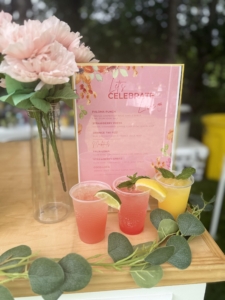
Yes, offering beer and wine only instead of a full open bar is a real cost-saving strategy. Spirits cost more per ounce, and once you add mixers, juices, and garnishes for a full cocktail menu, the costs add up quickly.
But here’s what I get asked constantly: “If we do beer, wine, and one signature drink, will that save us money?”
The honest answer is: sometimes. Here’s why.
The real cost of your wedding bar is built around per-person consumption of everything, not just alcohol. If your signature drink includes fresh juice, simple syrup, cherries, and specialty garnishes, the ingredient cost starts to look a lot like a full bar. A mixer is a mixer. Whether it’s sprite, simple syrup, or margarita mix, the cost is calculated by ounce consumed.
And then there’s the follow-up I always ask: “Half my guests don’t drink alcohol, so my bar cost should be lower, right?”
My response: Do those guests plan to drink water, lemonade, soda, or mocktails? If yes, your non-alcoholic beverage cost does not decrease, it can actually increase. I’ve bartended weddings where the non-drinking guests consumed enormous quantities of soda, all while using cups, napkins, and ice. Non-alcoholic beverages are not free. Soda is not as cheap as you think.
One cost-effective solution for non-drinking guests: instead of routing everyone through the bar for sodas, set up a beautiful hydration station. Think spa water — a large dispenser with plain water, one with citrus and mint, one with berries. Use 9 oz plastic cups and plain cocktail napkins. You can add lemonade or iced tea. This keeps non-drinkers happy without running up your bar tab.
Pro Tip from CBE
Our default cup size is 9 oz. Guests who receive larger cups unconsciously consume more… which means more ice, more mixer, more garnish on every single drink. That one swap alone can reduce your per-person consumption noticeably across 100+ guests.
4. The Orange Crush Problem — and What It Taught Us About Pivoting
Maryland couples love the Orange Crush. It’s our state’s signature cocktail. And for years, it’s also been one of the first things I walk couples back from when they’re working with a tight budget.
Why? Fresh squeezed orange juice (the key ingredient in a proper Orange Crush), has increased dramatically in price over the last five years. Ordering it in quantity for a wedding bar can mean hundreds of dollars in juice alone (yes, even if you purchase it at Sam’s Club)
Rather than just saying “don’t do it,” we built solutions:
- Pivot the cocktail entirely. A Grapefruit Crush or Margarita Crush delivers the same festive energy without the OJ price tag.
- The Orange Blossom Crush. We created a unique variation using orange vodka, orange blossom simple syrup, Sprite, Fanta orange soda, and just a splash of pasteurized orange juice. It photographs beautifully, tastes great, and costs significantly less than a traditional Crush.
- Pasteurized juice substitution. Swapping fresh-squeezed OJ for pasteurized OJ on a classic Orange Crush reduces ingredient cost by roughly 30%. That’s meaningful savings!
The lesson here goes beyond orange juice. In 2026, with energy and commodity costs rising, the vendors who’ve learned to pivot quickly, without sacrificing quality…are the ones who can protect your budget. That’s only possible when there’s enough lead time to find creative alternatives. Which brings us back to point two: plan ahead!
5. Two-Liter Bottles Are Your Secret Weapon
Pinterest lied to you.
Those stunning wedding bar photos with individual glass bottles of Fever Tree tonic and hand-labeled artisan mixers? They were taken before the reception started, before anyone touched anything, and before 150 guests consumed 400 drinks over four hours.
The most underrated cost-saving move in wedding bar planning is also the least glamorous: 2-liter bottles.
Swapping premium canned or bottled mixers for 2-liter bottles of club soda, tonic, ginger ale, Coke, and Diet Coke saves you an enormous amount per ounce, often 2-3x less expensive than individual cans. Do cans look nicer? Yes. Is the difference worth it when it adds hundreds of dollars to your bar cost? Almost never.
Use the money you save on mixers to invest somewhere guests will actually notice! Perhaps a prettier bar setup, a signature cocktail display, or better alcohol.
6. Sangria: The Underrated Budget Hero
If you’re looking for one menu addition that photographs beautifully, delights every age group, and actually saves you money, sangria.
Pre-batched sangria is one of my favorite recommendations for couples working with a tighter budget. It speeds up bar service (no individual cocktail construction), it’s made from affordable ingredients (approachable wine, triple sec, simple syrup, fresh or frozen fruit), and it looks stunning in a large glass dispenser.
White sangria, classic red sangria, rosé sangria, champagne sangria, there are endless variations. Whatever your color palette or theme, there’s a sangria that fits! It consistently earns compliments at the bar and is one of the most cost-effective offerings we serve.
7. Don’t Overbuy Alcohol
This sounds obvious. It is not obvious.
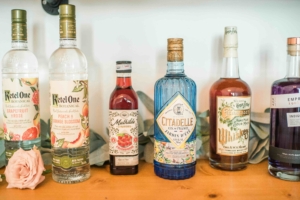
The most common expensive mistake I see at DIY weddings? Way too much alcohol. I understand the appeal of walking into Total Wine or Costco with a wedding to plan is genuinely exciting. But consistently, we arrive at wedding setups for 100 guests to find enough alcohol for 300.
Real Talk: From the Bar
We showed up to a 100-guest wedding once with enough alcohol stacked against the wall for 300 people. Moving heavy cases of liquor out of frame before photos… is not how anyone wants to spend the first hour of a reception setup. Don’t overbuy.
This creates real problems: nowhere to store it, heavy boxes that need to be moved away from the bar area before photos, and zero return on the investment. Extra open alcohol often can’t be returned. It sits in your garage or basement.
If you want to not overbuy, you need a real calculator. Not the generic ones on The Knot that spit out a flat number based on guest count. Your alcohol quantities depend on: indoor vs. outdoor (heat increases consumption), length of service, whether there’s a wedding shuttle (people drink more when they’re not driving), your guest demographics, your cocktail menu, and your bar format and so many variables couples don’t even know about.
I built the DIY Wedding Bar Planning Guide specifically to address this. It goes well beyond what free calculators offer, with detailed, customizable calculators built around your actual wedding variables, not a generic average.
8. Small Decisions That Add Up Fast
A few more specifics that quietly drive up bar costs:
- Cup and glass size matters more than you think. Our default is 9 oz. Larger cups mean more ice, more mixer, more garnish…per drink, per guest. Going to 12 oz cups increases your per-person consumption noticeably.
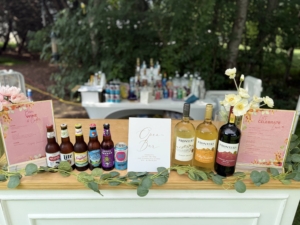
- Beer cans over bottles. Cans are consistently cheaper.
- Large format wine. 1.75L bottles or boxed wine are significantly more cost-effective per ounce than standard 750ml bottles.
- Beer and wine only at cocktail hour. Full bar at cocktail hour is where consumption spikes. A beer and wine only cocktail hour, with full bar opening at reception, is a smart and common cost-saving format.
- Shorten reception time. A 3.5-hour bar service versus 5 hours is a real cost difference. Consider a “last call” communication to your bar team 30 minutes before service ends, because it signals guests naturally without an awkward announcement.
- Skip the custom extras. Custom cocktail napkins, personalized drink stirs, branded cups, etc. They add up quickly and guests rarely remember them. Invest that money in the bar experience itself.
- Buy from a retailer that allows returns on unopened product. This is critical. Don’t ice everything down if you want return eligibility, wet wine and beer labels often void return policies.
The Bottom Line for 2026
Wedding bar costs are not going to decrease in 2026. Energy prices, supply chain fragmentation, and commodity costs are all pointing in one direction. The couples who come out ahead are the ones who:
- Work with vendors who build flexibility into their pricing and contracts
- Plan far enough in advance for those vendors to buy smart
- Make strategic menu decisions based on actual cost data — not generic advice
- Use real calculators to buy the right amount of alcohol
If you’re doing a DIY bar and want the actual numbers, I put together the DIY Wedding Bar Planning Guide — a detailed, downloadable resource with calculators built around your real event, not a one-size-fits-all estimate.
DIY Wedding Bar Resource
Stop guessing. Get the numbers right.
The DIY Wedding Bar Planning Guide includes detailed calculators built around your actual wedding… not a generic guest count average. Indoor vs. outdoor, full bar vs. beer and wine, shuttle or no shuttle — it all matters more than you think.
And if you’re looking for a professional bar team in Maryland, DC, Delaware, or Virginia that will work with you throughout the planning process (not just show up and pour), reach out to Chesapeake Bartenders & Events. We’d love to help you build a bar your guests will be talking about — without the sticker shock.
Chesapeake Bartenders & Events is a professional mobile bartending and events company based on Maryland’s Eastern Shore, serving couples across the Mid-Atlantic since 2019.